Vinyl Fence Cost in 2026: Installed Prices & Whether It's Worth It
Updated July 2026

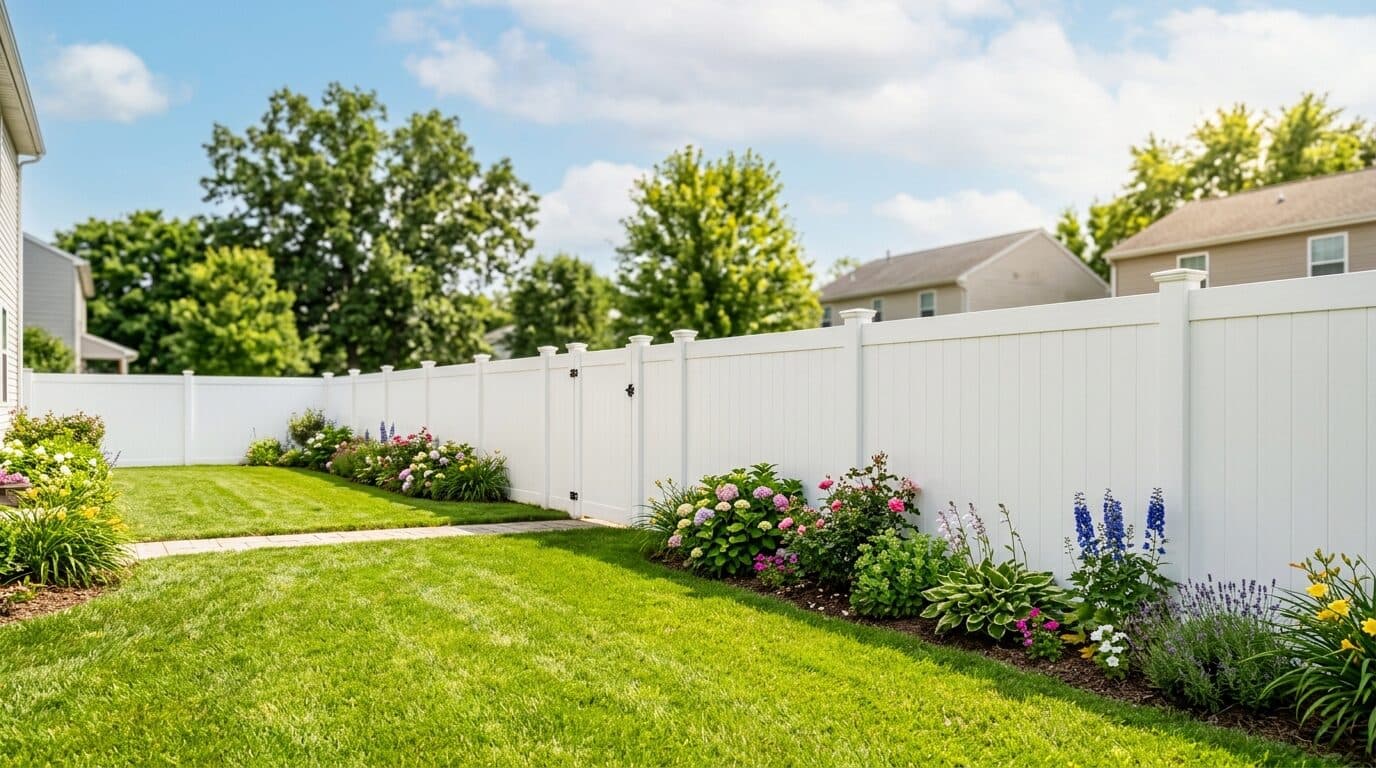
Vinyl fencing costs about $30 to $55 per linear foot installed in 2026, so a typical 150-foot backyard runs $4,500 to $8,300 before gates. That's roughly 50% more upfront than wood — the trade is zero staining, sealing, or painting for the life of the fence. Here's how vinyl prices break down and when the premium pays off.
Vinyl fence cost per foot, by style
Solid privacy panels — the most popular vinyl style — run $30–$48 per installed foot at 6 feet tall. Semi-privacy and shadowbox styles price similarly; vinyl picket runs $25–$40; ranch-rail is the value style at $20–$35. Decorative lattice tops, thicker rails, and wood-grain textures push toward $55+.
Height moves price like every material: 8-foot privacy vinyl adds 25–40% over 6-foot. Gates run $300–$700 for walk gates and $700–$1,500 for doubles.
For a number specific to your yard, the fence cost calculator prices your drawn fence line instantly.
How much does 100–200 feet of vinyl fence cost?
At 2026 installed rates: 100 feet ≈ $3,000–$5,500, 150 feet ≈ $4,500–$8,300, 200 feet ≈ $6,000–$11,000, before gates and old-fence removal ($3–$5 per foot).
Quotes vary more for vinyl than wood because panel quality varies more: thin big-box panels and thick-wall professional-grade panels can differ 30% in material cost and far more in wind resistance and sag over time. Ask what wall thickness and warranty the quote includes.
Vinyl vs. wood: the 20-year math
Wood privacy fencing installs at $18–$35 per foot but wants stain-and-seal every 2–3 years ($1–$3 per foot each time) and starts replacing pickets and rails in its second decade. Vinyl's higher upfront cost typically breaks even with wood's maintenance total around year 8–12, then wins from there — and it never needs a weekend of staining.
Wood still wins on upfront budget, repairability (one cracked picket is a $5 fix), and looks where HOAs require it. The full comparison: wood vs. vinyl fence cost.
What moves a vinyl quote up or down
Panel grade and wall thickness, height, gate count, and terrain: slopes require stepped or racked panels, and vinyl racks less gracefully than wood, so steep yards add fitting labor. Dark colors and wood-grain finishes carry a premium. Post spacing matters in wind country — tighter spacing costs more and sags less.
Removal of an old fence, rocky digging, and long material lead times for non-white colors round out the usual surprises. Localized numbers by material and height live on our city pricing pages, and the full installation-cost guide compares every material per foot.
FAQ
How much does 100 feet of vinyl fence cost installed?
About $3,000–$5,500 at 2026 rates for 6-foot privacy panels, before gates. Picket and ranch-rail styles come in lower; 8-foot height and premium textures come in higher.
Is a vinyl fence cheaper than wood?
Not upfront — vinyl runs roughly 50% more than pressure-treated wood to install. Over 15–20 years the total cost usually flips in vinyl's favor once wood's staining, sealing, and repair cycles are counted.
How long does a vinyl fence last?
25–35 years for quality professional-grade panels, with manufacturer warranties commonly 20 years to lifetime. Cheap thin-wall panels can sag, fade, or crack in a decade — panel grade is where quotes genuinely differ.
Does a vinyl fence increase home value?
A clean privacy fence generally helps resale, and vinyl's no-maintenance look shows well. Appraisers rarely itemize it, but buyers with pets and kids treat an enclosed yard as a checklist item.